
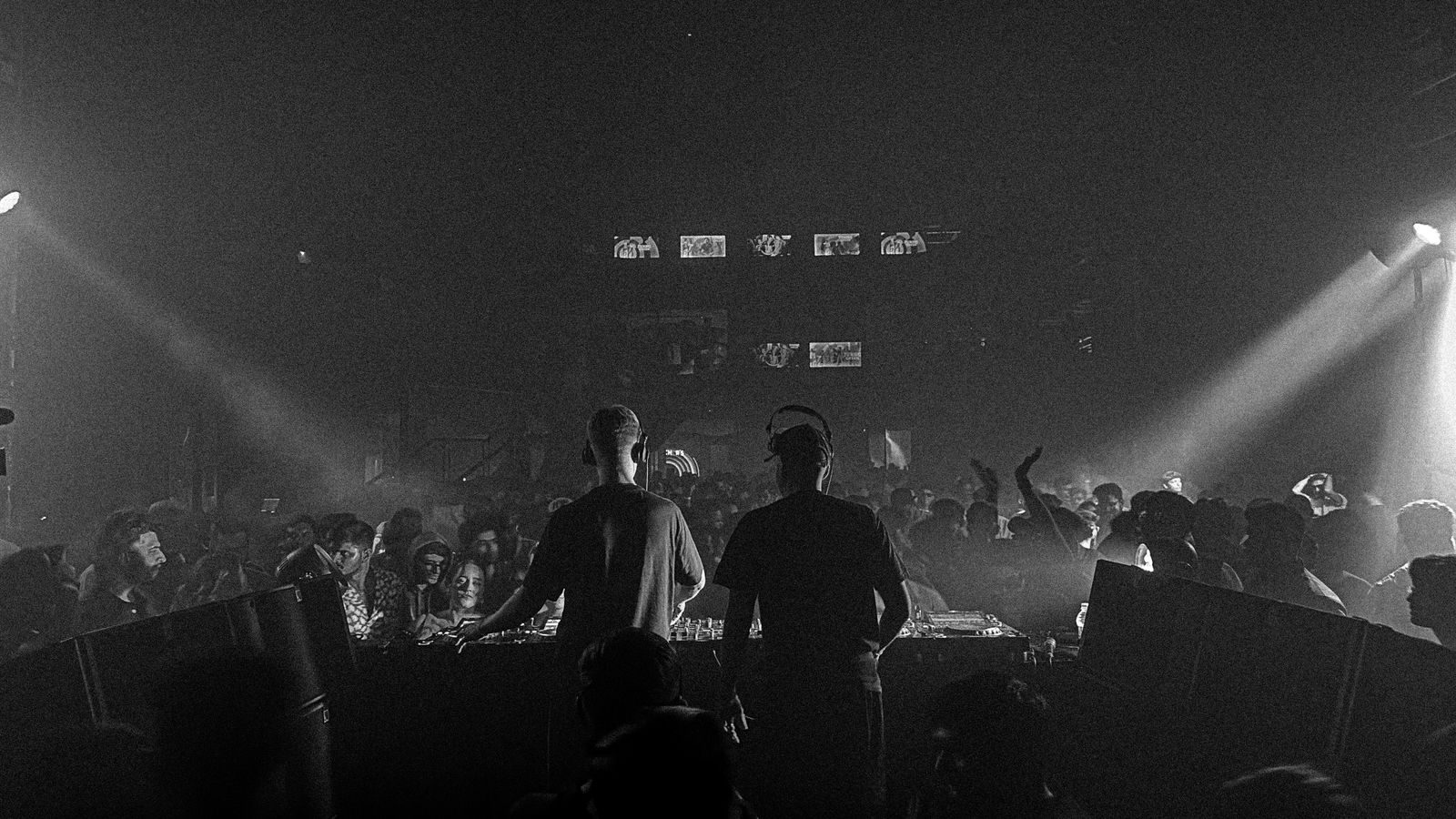
Las Vegas venues book nightclub atmosphere models to build room energy, create a sense of occasion, and produce photo-ready moments for the venue's own marketing. Calls typically run four to five hours against a four- or five-hour minimum, and in the Las Vegas market atmosphere talent runs $60 to
A corporate planner and a venue marketing director are buying two different products from the same agency. The planner is covering touchpoints across a defined program. The venue is trying to make a room feel arrived-at by midnight on a Thursday, and again at noon on Saturday on a pool deck in July. Treating nightlife like a corporate booking produces a shift that technically happened and delivered nothing.
What are venues actually buying when they staff atmosphere talent?
Atmosphere staffing in a nightclub or dayclub buys three specific outcomes: room energy, a sense of occasion, and usable content for the venue's own marketing. Each one is an operational result somebody has to own, which is why it gets staffed rather than hoped for.
Room energy comes first. A venue that opens at 10:30 and peaks after midnight has a long window where the floor can read as either building or failing. Trained hospitality professionals working the entrance, the lounge, and the perimeter keep early guests engaged and circulating rather than stacking up at the bar and leaving.
The sense of occasion is second. Guests who flew in for a Las Vegas weekend expect the night to feel produced, and being greeted, walked to a section by someone who knows the floor plan, and given a person to ask is most of the difference between a venue that feels run and one that is merely open.
Content is third and the most underrated. Venue marketing teams shoot on their own floor most nights of the week. Booked talent arrives briefed and camera-ready, which gives the content team on-brand frames without pulling guests into shots they never agreed to appear in. Talent releases are routine paperwork; guest releases are not.
How do nightlife call times and shift lengths work compared with corporate?
Nightlife calls are built around the peak, not the door. A corporate reception starts its clock before guests arrive and ends when the room clears. A nightclub call is scheduled backward from the hour the venue expects to be full.
| Factor | Corporate and convention | Nightclub | Dayclub and pool |
|---|---|---|---|
| Typical shift | 4 to 5 hours, continuous | 4 to 5 hours, weighted to peak | Same total hours, split into rotations |
| Call time | Ahead of doors | Ahead of peak, often after open | Early, before the deck gets hot |
| Wardrobe | Cocktail or client-branded | Venue evening standard | Venue resort or swim standard |
| Breaks | Scheduled, off-floor | Scheduled, off-floor | Frequent shade and hydration breaks |
| Arrival logistics | Badge, loading dock, parking | Talent entrance, not the guest line | Talent entrance, secure storage for belongings |
| End of shift | Room clears | Fixed release time, before last call | Fixed release time or end of rotation |
Two practical points follow. First, if you need coverage from doors through last call, split it across two overlapping calls rather than stretching one. Someone who has been on the floor since 10 p.m. is not the right coverage for a 2 a.m. peak.
Second, set the release time in writing when you book. Nightlife runs late and shifts drift, but an open-ended end time is not a schedule. If you expect to extend on the night, agree the overtime terms up front — the multiplier and the billing increment, in writing — and confirm the extension with the agency contact rather than with the talent on the floor.
Most Las Vegas agencies hold a four- or five-hour minimum per person, and most bookings land in that band.
What is the difference between atmosphere talent and a performer?
Atmosphere talent and performers are separate bookings with different rates, different preparation, and different venue requirements. Confusing the two is the most common briefing error a venue makes, and it usually surfaces at call time when someone expects choreography that was never contracted.
A performer or go-go dancer is booked to be watched on a schedule: set times, choreography, a designated platform, and rehearsal. Atmosphere talent works the room continuously as hosts. One is programmed; the other is deployed.
| Role | Typical Las Vegas hourly range | What the venue is scheduling |
|---|---|---|
| Atmosphere model | $60 to 25 |
Continuous floor coverage across zones |
| Dancer or performer | 00 to 50 |
Timed sets on a platform or stage |
| Costumed or specialty talent | Quoted per event | A defined feature moment |
Setup differs too. Performers need marks, a music cue, and someone from venue operations owning the transition; anything involving elevated staging, rigging, or open flame follows the venue's safety policy. Brief the two roles as separate lines on the call sheet.
For a fuller definition of the hosting role itself, see what an atmosphere model does.
How does dayclub and pool work differ from a nightclub shift?
Heat is the whole answer, and it changes the staffing math rather than just the wardrobe.
Sun exposure sets the rotation. Instead of one continuous block on the floor, dayclub programming is normally staffed as shorter rotations with scheduled shade and water breaks between them. The booked hours are the same; the pattern is not. Venues that skip the rotation get tired, sunburned talent by hour three and a visibly flat deck by hour four.
Access to shade, water, and a cool indoor space is a requirement, not a courtesy. Name the specific location in the brief, because a deck at capacity has nowhere obvious to go.
Wardrobe follows the venue's resort or swim standard and is agreed in writing between the venue and the agency before the booking is confirmed. Talent should know exactly what the look is before accepting the call, and it should not change on arrival. Include cover-ups and realistic footwear: Las Vegas deck surfaces in summer get hot enough that shoes are a safety item.
Hair and makeup expectations need to be equally honest: a nightclub look will not survive four hours of direct sun and pool spray, so brief for daylight.
What does venue management expect on arrival?
Give the agency a check-in procedure and the shift starts clean. A workable one covers six things:
- Entrance. Which door talent uses, confirmed as the talent entrance rather than the guest line.
- Contact. The manager who checks them in, with a cell number and a named backup.
- Credentials. Identification and any venue wristband, badge, or roster entry, arranged in advance so nobody is negotiating at the door.
- Storage. A secure place for personal belongings and a space to change.
- Breaks. Where they happen, how long, and who covers the zone during them.
- Check-out. Who signs the shift out, and how talent leaves the property.
Venue security should also know that agency talent are working the floor that night. It prevents the awkward interaction where a working professional gets treated like a guest who wandered somewhere she should not be.
How should a venue brief its agency?
One page, sent with the booking rather than on the day. Cover the date, doors, expected peak, call and release times, headcount, and the zones you want covered — entrance, lounge, main floor, VIP level, pool deck. Then add wardrobe standard, on-site manager and cell number, entry and parking instructions, and how the venue plans to use photo and video from the night.
Say what you do not want as clearly as what you do. Restricted areas, no-go zones such as the DJ booth or a specific host's section, and the escalation path are worth a line each.
Finally, tell the agency what kind of night it is. A residency, a holiday weekend, a fight night, and a convention week all pull on the same talent pool, and lead time buys you selection. Venues running weekly programming get better results from a recurring roster than from filling week to week, because returning talent already know the floor plan, the managers, and the regulars. Review current talent on our models page or see the services list for how venue bookings are scoped.
If part of your programming sits around VIP tables, read the scope note in our bottle service and VIP table guide first. The service side of a table is a licensed venue role and is staffed differently.
Where to start
Pick your zones and your release time first; headcount and budget follow from those two decisions. Send the night and the floor plan through our contact page and we will tell you how we would staff it.
Frequently asked questions
What do nightclub atmosphere models actually do?
How much do atmosphere models cost for a Las Vegas venue?
What is the difference between an atmosphere model and a go-go dancer?
How long is a nightclub atmosphere shift in Las Vegas?
How is dayclub staffing different from nightclub staffing?
How far ahead should a Las Vegas venue book atmosphere talent?
Get a quote for your event
Send your date, hours and headcount and we'll come back with pricing and a casting shortlist. No obligation.
Keep reading
 Model Types
What Is an Atmosphere Model? Duties, Dress Code & When to Book One
A clear definition of the atmosphere model role: what they do on a shift, what they never do, how wardrobe is agreed, and where Las Vegas events use them.
Read more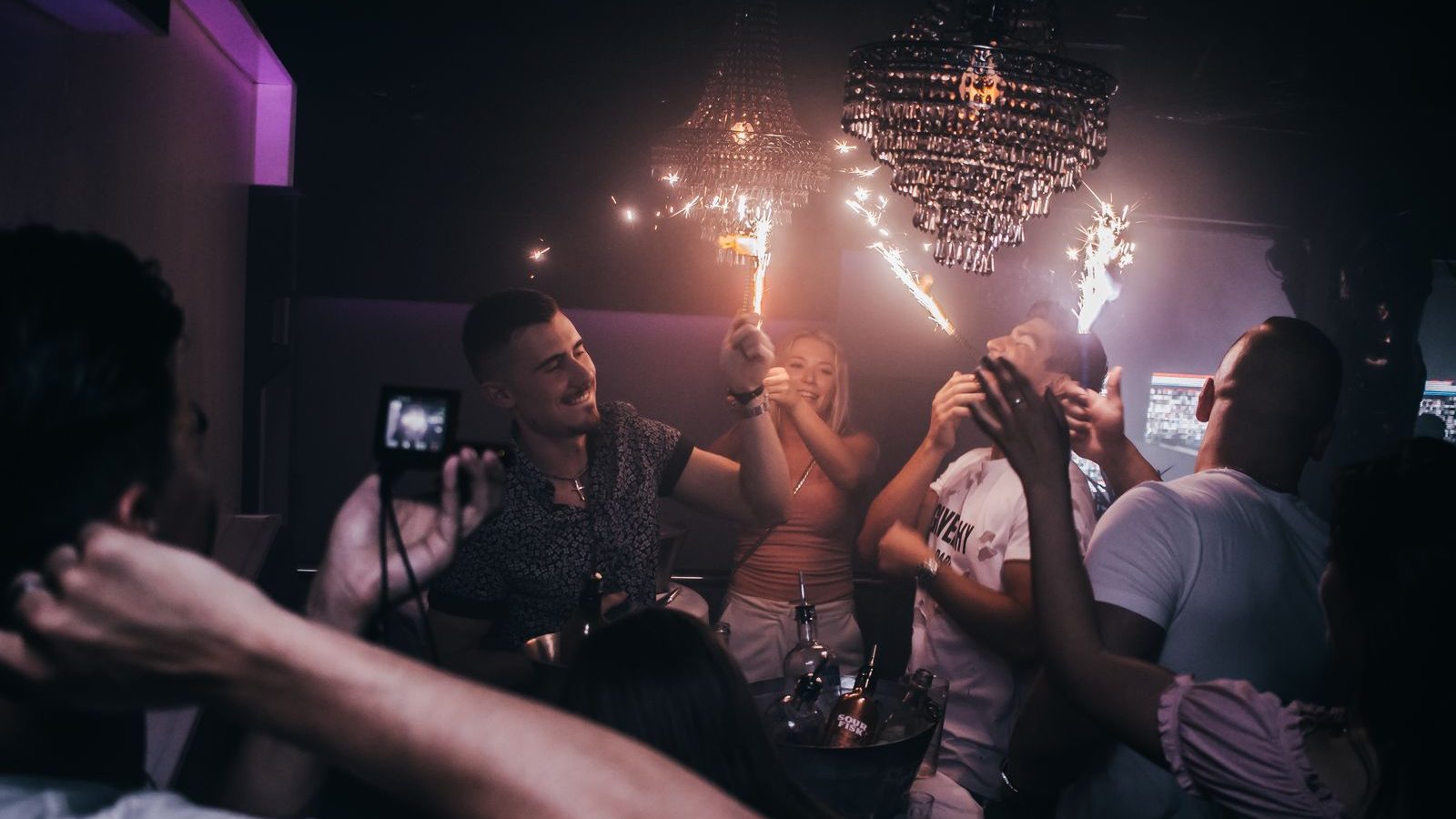 Vegas Venues
Bottle Service & VIP Table Models in Las Vegas: What They Do
The scope question nobody answers straight: agency talent booked around a VIP table does not serve alcohol, so here is who pours and who hosts.
Read more